Advent Synergy - Your Wish Our command

Neuro-AI and Brain-Computer Interface Entrepreneurship: A New Frontier for Indian Students
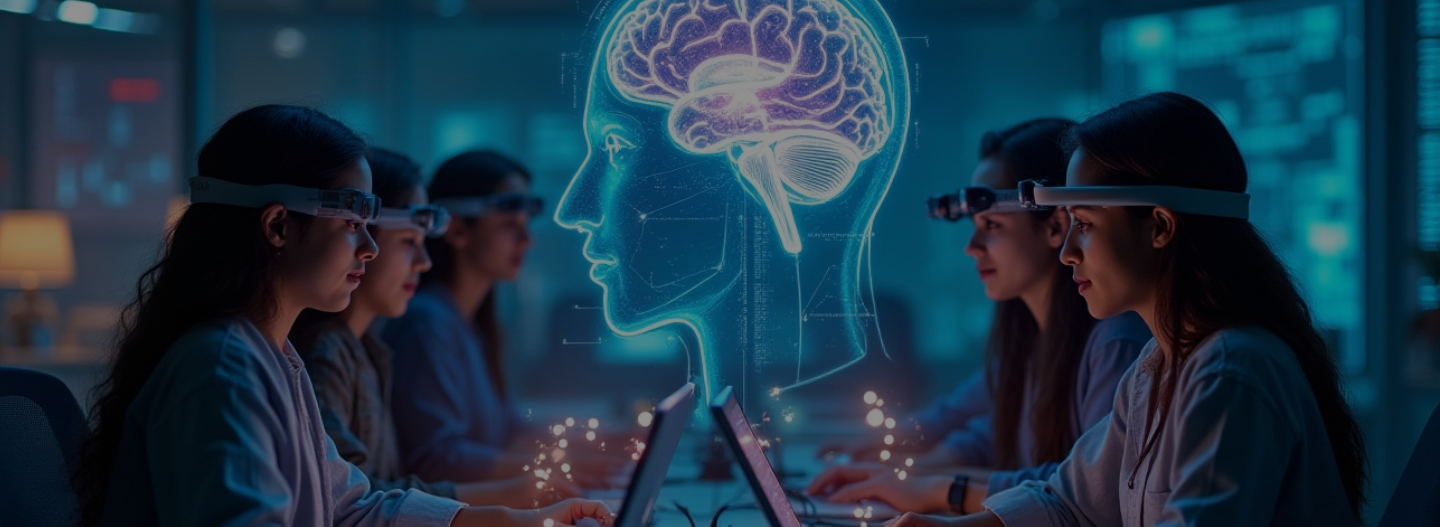
Artificial Intelligence (AI) is moving beyond software and entering the human brain. The fusion of neuroscience and AI, known as Neuro-AI, combined with Brain-Computer Interfaces (BCI), is opening a new era of innovation. These technologies aim to connect human thoughts with machines, allowing direct communication between the brain and computers. For Indian students, this is not just science fiction—it’s an entrepreneurial goldmine.
What is Neuro-AI and Brain-Computer Interface (BCI)?
- Neuro-AI: A field that integrates AI with neuroscience to model brain functions, enhance cognitive abilities, and develop advanced AI systems inspired by human neural networks.
- Brain-Computer Interface (BCI): A system enabling direct communication between the brain and external devices, bypassing traditional input methods like keyboards and touchscreens.
Companies like Neuralink, Kernel, and Indian research labs are exploring BCI for healthcare, education, gaming, and human augmentation. The global BCI market is expected to reach $5.5 billion by 2030, creating opportunities for students who combine technology and neuroscience.
Entrepreneurial Opportunities in Neuro-AI and BCI
- Healthcare and Neuro-Rehabilitation
BCI can restore movement for paralyzed patients and assist stroke recovery. Startups can develop affordable neuro-rehabilitation devices for Indian hospitals and clinics.
Action Idea: Build low-cost BCI systems to help patients control prosthetic limbs or communicate using brain signals.
- Brain-Powered Education Tools
AI-powered BCIs can monitor student focus and personalize learning. This can revolutionize Indian edtech platforms.
Action Idea: Create BCI-based apps that adapt lessons in real-time based on brain engagement patterns.
- Mental Health and Cognitive Enhancement
BCI combined with Neuro-AI can detect mental health patterns and offer personalized therapy.
Action Idea: Launch a platform that uses brain signals to track stress and anxiety levels, offering AI driven mental health support.
- Gaming and Entertainment
Neuro-gaming is a growing sector where players control games with their thoughts. Indian developers can create immersive BCI-driven experiences.
Action Idea: Develop affordable BCI gaming headsets for the Indian market integrated with mobile platforms.
- AI-Augmented Workforce Tools
BCI can help workers control machines or computers hands-free, increasing productivity in manufacturing and IT.
Action Idea: Create BCI tools for remote workers to control complex software using neural signals, reducing reliance on physical input devices.
Why This Matters for Indian Students
India is home to one of the largest pools of engineering and medical students in the world. The government’s National AI Strategy and initiatives like the Digital India Program provide a strong foundation for AI research. With a rising focus on healthcare, edtech, and digital innovation, Indian students have a unique opportunity to lead Neuro-AI and BCI entrepreneurship.
Actionable Advice for Indian Students
Skills to Develop
- Neuroscience Basics: Understand how the brain processes information and neural signal patterns.
- AI and Machine Learning: Learn to build AI models for neural data interpretation. • Signal Processing: Study EEG and neural data acquisition techniques.
- Hardware and IoT: Develop skills in creating wearable BCI devices and sensors. • Programming: Python, MATLAB, and embedded systems programming are essential.
- Ethics and Data Privacy: Learn about ethical considerations in neurotechnology and human data protection.
• Entrepreneurship: Develop business, marketing, and product design skills for tech startups.
Alternative Career Paths
- Neuro-AI Researcher: Work on cutting-edge brain-inspired AI algorithms.
- BCI Hardware Developer: Design neural sensors and wearable interfaces.
- Neuro-Data Scientist: Analyze brain data for healthcare and cognitive applications.
- Cognitive UX Designer: Create interfaces optimized for brain-computer interaction.
• Neurotech Entrepreneur: Build startups combining neuroscience, AI, and human augmentation.
How Indian Students Can Adapt
- Start with Open-Source Projects: Use platforms like OpenBCI to experiment with brain signal processing.
- Collaborate Across Disciplines: Work with neuroscience, engineering, and AI students to create multidisciplinary solutions.
- Join Research Labs: Intern at institutes like IITs, IISc, or AIIMS that work on neural engineering and AI.
- Participate in Hackathons: Neurotech hackathons are growing globally; participate to learn and network.
5. Explore Affordable Prototypes: Start small by creating low-cost BCI devices using open hardware and AI models.
Why This is the Right Time
- Growing Global Market: BCI and Neuro-AI are attracting heavy investments worldwide.
- Indian Healthcare Needs: Affordable neurotech solutions can address neurological disorders in rural and urban India.
- Talent Availability: India has a vast base of engineers, AI specialists, and medical researchers ready to collaborate.
- Government Support: Initiatives for AI research and Make in India programs support innovation.
- Early-Stage Advantage: Few startups in India are exploring this space, offering first-mover benefits to students.
Practical Steps to Get Started
- Learn EEG Basics: Begin with brainwave data collection using simple BCI headsets.
- Take Online Courses: Platforms like Coursera and edX offer neuroscience and AI integration courses.
- Build a Portfolio: Create small Neuro-AI projects and showcase them on GitHub or LinkedIn.
- Find Mentors: Connect with professors, researchers, and entrepreneurs working in neurotech.
- Explore Funding: Apply for government grants and startup incubators focused on healthcare and AI.
Conclusion
Neuro-AI and Brain-Computer Interfaces represent the next wave of technological evolution, blending human cognition with artificial intelligence. For Indian students, this is a chance to be at the forefront of a life-changing industry that impacts healthcare, education, entertainment, and beyond.By developing a combination of neuroscience knowledge, AI skills, and entrepreneurial thinking, students can create solutions that make brain-computer interaction accessible and affordable. Whether you dream of building life-saving neurotech devices or creating futuristic entertainment experiences, the key is to start learning, experimenting, and collaborating today.
The future belongs to those who can bridge human intelligence and artificial intelligence. Indian students who embrace Neuro-AI and BCI entrepreneurship now will not only shape careers but also define the future of humanity’s interaction with technology.